
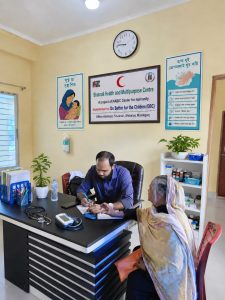
Do Better for the Children (DBC) is a Bangladesh-based development organization committed to reducing poverty and improving the quality of life of disadvantaged people, particularly children and women. Our areas of work include healthcare, education, vocational training, relief and rehabilitation, safe water and sanitation, agriculture and rural development, environmental protection, social development, community awareness, research and publication.
Since beginning its journey in 2003, DBC has implemented a wide range of development and humanitarian programs with technical and financial support from national and international development agencies, institutional donors and individual contributors. Our programs are designed to reduce vulnerability, improve access to essential services and strengthen the capacity of individuals and communities to build more secure and self-reliant lives.
DBC envisions a peaceful and inclusive society where every person can live with dignity, free from exploitation, oppression, discrimination, hunger and preventable deprivation. We believe that disadvantaged communities must actively participate in the decisions and development initiatives that affect their lives. Their meaningful participation is essential for achieving sustainable and lasting change.
DBC has its head office in Dhaka and implements programs across different areas of the Dhaka, Chattogram, Rajshahi, Rangpur, Sylhet, Mymensingh and Khulna divisions. The organization currently employs 14 regular staff members and more than 182 project-based personnel who bring professional knowledge, field experience and dedication to their responsibilities.
Our programs prioritize children, women, low-income families, people with disabilities, displaced communities and households affected by disasters or limited access to essential services. We select project areas based on community needs, vulnerability, accessibility and the potential for sustainable impact.
DBC follows a participatory and accountable approach to program implementation. We maintain regular monitoring, collect community feedback, share field experiences and take timely corrective action when necessary. Through transparent management and continuous learning, we remain committed to achieving measurable improvements in the living standards of the people we serve.
We work to address social injustice, reduce discrimination and create opportunities for vulnerable people to access the services, resources and support they need to live with dignity.